


When it comes to exchanging currency, the best choice really depends on your unique situation. You should consider factors like exchange rates, convenience, and any fees involved. For instance, if you find yourself in a country with a favorable exchange rate, you might save money by exchanging currency there. However, if you prefer the comfort of familiar surroundings, exchanging currency in the U.S. could be more convenient. Just remember, every traveler’s needs are different when it comes to how they choose to exchange currency!
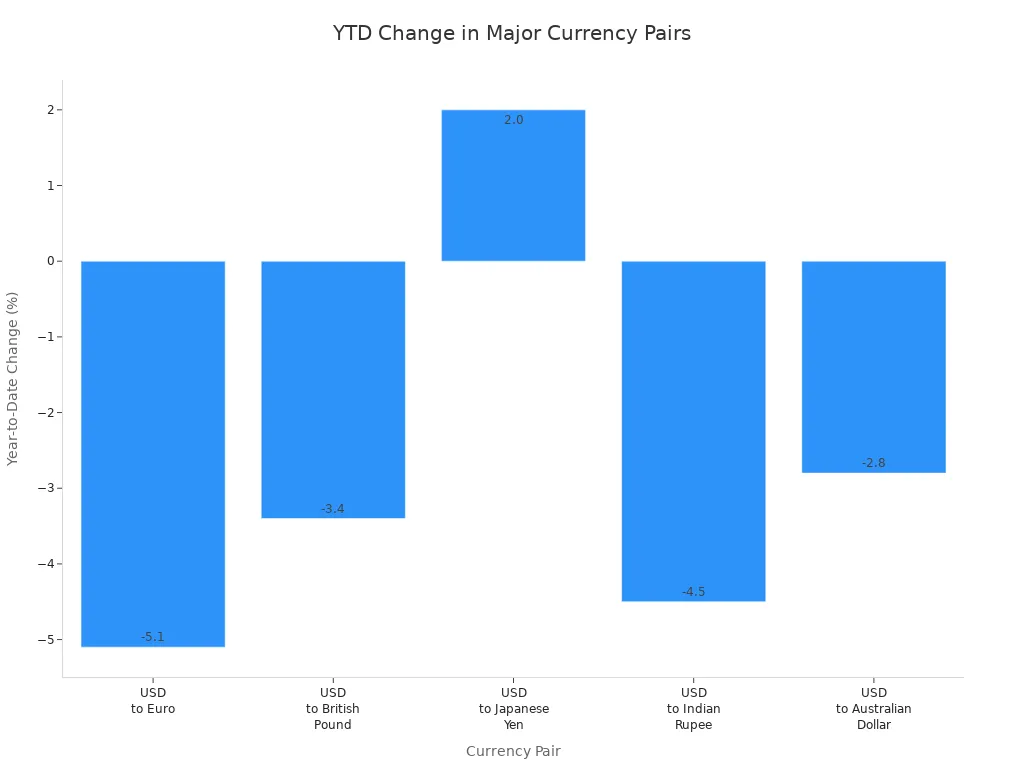
Key Takeaways
Understanding exchange rates and fees is essential for making smart currency exchange decisions.
Exchanging currency abroad can often yield better rates than airport kiosks, which typically charge high fees.
Using ATMs for cash withdrawals usually offers competitive rates compared to traditional currency exchange services.
Credit cards without foreign transaction fees can save you money while traveling, making purchases easier.
Planning ahead and comparing multiple providers can help you avoid unnecessary costs and maximize your currency value.
Exchange Rates
Factors Influencing Rates
When you think about exchange rates, several key factors come into play. Understanding these can help you make smarter decisions when you exchange currency. Here are some of the most significant influences:
Inflation: Low inflation usually strengthens a currency, while high inflation can weaken it. If a country experiences high inflation, its currency’s purchasing power decreases.
Interest Rates: Higher interest rates attract foreign investment, boosting demand for that currency. Conversely, lower rates can lead to depreciation.
Monetary Policy: Central banks manage monetary policy to stabilize their currency. A strong economy and sound policies increase demand for a currency.
Market Sentiment: Positive investor confidence can drive up currency value, while negative sentiment can lead to depreciation.
Geopolitical Stability: A stable political environment attracts investment, strengthening the currency.
Trade Balance: A trade surplus increases demand for a currency, while a trade deficit can weaken it.
These factors interact in complex ways, and they can change quickly based on global events. Keeping an eye on these elements can help you anticipate shifts in exchange rates.
Finding the Best Rates
Finding the best exchange rates can feel like a daunting task, but it doesn’t have to be! Here are some tips to help you navigate the process:
Use Online Platforms: Websites like Wise and Revolut allow you to compare real-time exchange rates across different providers. You can easily see which option offers the best deal.
Check Multiple Providers: Don’t settle for the first rate you see. Different banks, kiosks, and online services often have varying rates. Currency exchange kiosks at airports, for example, tend to have higher markups due to their convenience.
Understand the Spread: The spread is the difference between the bid price (what a provider will pay for a currency) and the ask price (what they will sell it for). This spread can vary significantly between providers, so it’s worth doing your homework.
Monitor Rate Fluctuations: Exchange rates can change frequently. By tracking these fluctuations, you can time your exchanges for when rates are more favorable.
Consider Fees: Always factor in any additional fees that might apply. Some providers may offer attractive rates but charge high service fees that negate your savings.
By following these tips, you can maximize the value you get when you exchange currency, whether you’re doing it in the U.S. or abroad.
Exchanging Currency in the U.S.
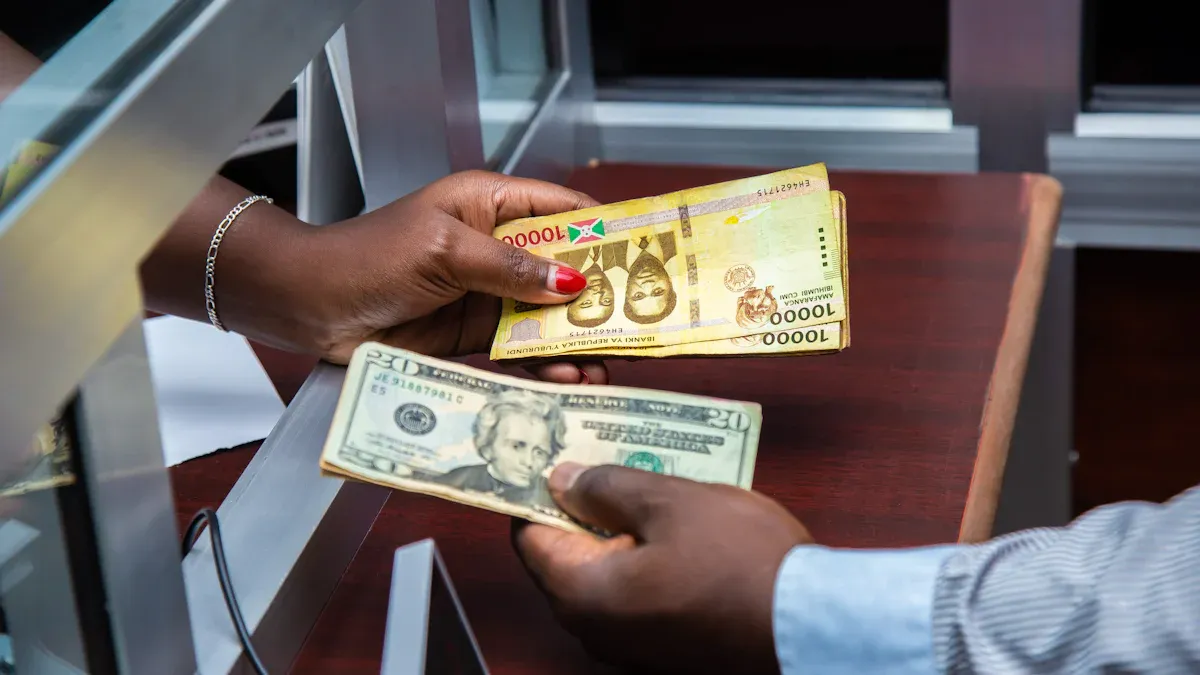
When you consider exchanging currency in the U.S., you’ll find both advantages and disadvantages. Let’s break them down.
Pros and Cons
Here are some key benefits of exchanging currency in the U.S.:
Advantage | Description |
|---|---|
Avoid High Fees | Exchanging currency at airports often incurs higher fees and unfavorable rates. |
Immediate Access to Cash | Having local currency upon arrival helps with immediate expenses, especially in places that prefer cash. |
No Long Lines | Exchanging in advance helps avoid long lines at exchange counters abroad, saving time. |
Budgeting Clarity | Knowing how much currency you have helps with budgeting and prevents overspending. |
Peace of Mind for Emergencies | Having cash ready ensures preparedness for emergencies where digital payments may not be accepted. |
Better Options for Returning Cash | Easier management of leftover currency through a trusted service, avoiding high fees at local banks. |
However, there are some downsides to consider:
Disadvantage | Description |
|---|---|
Foreign transaction fees | Using debit and credit cards abroad may incur additional fees. |
Complexity of the foreign exchange market | The market’s complexity makes it hard to determine the best time for currency exchange. |
Fluctuations in exchange rates | Changes in rates can lead to unexpected costs during travel. |
Risk of loss or theft of cash | Carrying cash can result in loss or theft, and recovery can be difficult. |
Minimum currency exchange requirements | Some banks or providers may require a minimum amount to exchange currency. |
Methods of Exchange
You have several options for exchanging currency in the U.S. Here are some common methods:
Method | Fees |
|---|---|
Bank of America | 7.50 USD delivery fee for orders under 1,000 USD |
Citibank | Free for Citigold/Priority accounts, 5 USD service fee for other accounts on orders under 1,000 USD |
PNC | No transaction fees for branch delivery |
US Bank | 10 USD fee for transactions under or equal to 300 USD |
Wells Fargo | Check with your local branch – shipping fees depend on how much foreign currency you order |
You can also consider using a foreign currency exchange service like Currency Exchange International or US First Exchange for online orders. Another option is to withdraw cash from an ATM at your destination, ensuring you choose local currency for better rates.
By weighing these pros and cons and understanding your options, you can make a more informed decision about how to exchange currency in the U.S.
Exchanging Currency Abroad

Exchanging currency abroad can be a smart move for many travelers. Let’s explore the advantages and the risks you might face when you decide to exchange your money in a foreign country.
Advantages
When you exchange currency abroad, you can enjoy several benefits:
Immediate Access: You’ll have cash ready for expenses as soon as you arrive. This means no waiting in long lines at the airport.
Familiarity with Local Currency: Getting accustomed to the local currency before you land can make your trip smoother.
Convenience: Having cash on hand helps you cover immediate expenses like transportation and tips without hassle.
Better Exchange Rates: Often, you can lock in favorable rates before traveling, avoiding the high fees typically charged at airports.
Peace of Mind: Knowing you have local currency reduces the stress of finding ATMs or banks in a new location.
Avoiding High Fees: Airport currency exchange services are often the most expensive option. By exchanging money in advance or at local banks, you can save significantly.
Here’s a quick comparison of exchange rates you might encounter:
Provider | Exchange Rate Type | Notes |
|---|---|---|
Wise | Mid-market exchange rate | Offers competitive rates without hidden fees. |
Banks/Providers | Marked-up exchange rates | Often charge extra costs through higher exchange rates. |
As you can see, the mid-market rate is usually more favorable for consumers compared to the marked-up rates from banks.
Risks to Consider
While there are many advantages, you should also be aware of potential risks when exchanging currency abroad:
Risk Type | Description |
|---|---|
Transaction Risk | This risk arises when your cash flows in foreign currencies change in value due to exchange rate fluctuations. |
Economic Risk | Unexpected exchange-rate fluctuations can affect your market value, impacting future cash flows and market share. |
Additionally, scams and counterfeit currency issues are common in popular travel destinations. Here are some things to watch out for:
Scams and counterfeit currency issues often spike during peak tourist seasons.
Cities like Cancun, Bangkok, and Los Angeles have reported significant incidents of fraud.
Common scams include fraudulent travel agency bookings and overcharging in food services.
Taxi and car rental scams account for a high percentage of complaints in certain cities.
By being aware of these risks, you can take steps to protect yourself while enjoying the benefits of exchanging currency abroad.
Tips to Exchange Currency Wisely
When it comes to exchanging currency, you want to get the most bang for your buck. Here are some strategies to help you maximize value:
Maximizing Value
Use Credit Cards Wisely: Opt for credit cards that don’t charge foreign transaction fees. This can save you a lot of money compared to other payment methods.
Withdraw Cash from ATMs: When you arrive at your destination, head to an ATM instead of using airport kiosks. ATMs usually offer better exchange rates.
Get Some Local Currency Before You Leave: Having a small amount of local currency can help with immediate expenses like transportation or tips.
Avoid Airport Currency Exchange: These counters often have high fees and unfavorable rates. It’s best to steer clear of them.
Know the Local Exchange Rate: Familiarize yourself with the current exchange rate before you travel. This knowledge helps you avoid unfavorable transactions.
By following these tips, you can ensure that you’re getting the best value when you exchange currency.
Using ATMs
Using ATMs for currency exchange while traveling has its perks. They’re convenient and widely available, often providing competitive exchange rates compared to traditional currency exchange kiosks. Here’s what you should know:
Convenience: ATMs are accessible 24/7, making it easy to withdraw cash whenever you need it.
Competitive Rates: ATM transactions typically offer better rates than currency exchange counters. Just make sure to choose the right ATM to minimize fees.
Be Aware of Fees: While using ATMs is generally cost-effective, be mindful of potential fees. Here’s a quick overview of typical fees you might encounter:
Fee Type | Description |
|---|---|
International ATM Fee | Flat rate between $1-$5 or a percentage of 1-3% of the withdrawal amount. |
Currency Conversion Fee | Additional fee of 1-3% on top of the withdrawal amount. |
Surcharge | Fee added by the ATM provider, usually displayed on the ATM screen before proceeding. |
Poor Exchange Rates | Rates tied to interbank rates; can vary significantly, so checking rates before withdrawal is advised. |
By using ATMs wisely, you can efficiently manage your cash needs abroad while avoiding unnecessary costs.
In summary, choosing where to exchange currency depends on your unique needs. Here are some key takeaways to consider:
Understanding exchange rates and fees is crucial for effective currency exchange.
Planning ahead can help you avoid high fees at airports and hotels.
Using banks and credit unions often yields better exchange rates.
Credit cards with no foreign transaction fees can save you money while traveling.
Prepaid travel cards can also be beneficial for managing expenses abroad.
When weighing your options, think about convenience, cost, and safety. Here’s a quick comparison:
Factor | Considerations |
|---|---|
Convenience | Airport kiosks and tourist-area exchanges offer easy access but come with high fees and poor rates. |
Cost | Banks often provide better rates than airport exchanges, saving travelers money on larger amounts. |
Safety | Use licensed money changers and avoid temporary stands to reduce the risk of scams and counterfeit bills. |
Take your time to evaluate your choices. By doing so, you can make the best decision for your currency exchange needs!
FAQ
What is the best way to exchange currency?
The best way to exchange currency depends on your needs. Consider using ATMs for better rates or local banks for convenience. Avoid airport kiosks due to high fees.
Are there fees for using ATMs abroad?
Yes, ATMs may charge fees for international withdrawals. Check with your bank for specific charges and consider using ATMs that belong to your bank’s network to minimize costs.
Can I use my credit card for purchases abroad?
Absolutely! Using a credit card can be convenient. Just make sure it doesn’t charge foreign transaction fees. Always notify your bank before traveling to avoid any issues.
How can I avoid scams when exchanging currency?
To avoid scams, use licensed money changers and avoid street vendors. Stick to reputable banks or ATMs. Always count your cash before leaving the counter.
Should I exchange currency before traveling?
Exchanging a small amount of currency before traveling is wise. It helps cover immediate expenses like transportation. However, consider exchanging the bulk of your money at your destination for better rates.
